Monk Japan Journal / Travel
How to Visit Kamikōchi in a Day
Kamikōchi has always been popular among hikers and nature lovers, but recently it has exploded in popularity among Gen Z thanks to TikTok “For You Page” clips and YouTube vlogs showcasing its stunning scenery. When the place first went viral, only a handful of YouTubers and bloggers covered it in detail—things like which routes to take, how long each trek is, or what the trails actually look like. Most of those videos were in Japanese, and they didn’t cover the specific routes I wanted to explore, so I often had to rely on Google Street View. That’s why I decided to take my phone and gimbal and start documenting everything myself, capturing the parts of Kamikōchi that I felt were missing online. And now, thanks to AI, I can share not only the video (linked at the bottom of this blog) but also a full written guide using the blog tool I created. Anyway, back to the main point. In this article, I’ll show you how to get to Kamikōchi in a single day, covering multiple transportation options, the latest travel information, and insights from my real experience on the ground.
Transport and Access
Since you’re considering a trip to Nagano or Kamikōchi, I’ll assume you’re starting from Tokyo or that Tokyo is your main base during your Japan visit. If that’s the case, this is the right place to learn exactly how to get there—from the standard options to the cheaper alternatives.
🚆 Taking the Train (Recommended for First‑Timers)
For first‑time visitors with enough time, the train is the option I recommend. The Azusa Limited Express, operated by JR East, is especially convenient if you’re traveling with a JR Rail Pass, and the route connects smoothly with popular lines such as the one toward Mount Fuji from Ōtsuki Station. The Azusa isn’t as fast as the Shinkansen because it runs on a different line, but it’s very comfortable and skips most of the smaller stations. From Shinjuku Station to Matsumoto Station, the fare is JPY 9,460, and the journey takes about 2 hours and 40 minutes. I recommend the train because Matsumoto itself has a lot to offer. If you’ve been spending time in Tokyo—with its crowded streets, neon lights, and constant noise—or even in nearby cities like Yokohama, the atmosphere of rural Japan feels completely different. It’s calmer, more spacious, and genuinely refreshing. Many people think of Japan only as Tokyo, Osaka, or Kyoto, but these underrated regional cities have their own charm. Matsumoto Castle sits right in the heart of the city (and Matsumoto is actually considered a large city by rural Japan standards). You’ll also find lively neon-lit streets where you can enjoy beer, Western-style bars, and traditional Japanese cuisine—without tourist traps or inflated prices.
🚌 Taking the Bus (Best for Saving Money)
If you want to save money instead, you can take a highway bus from Shinjuku to Matsumoto for JPY 3,300–3,800 (5 hours journey), depending on the time and bus operator. There are many bus types to choose from, but I recommend the 3‑row independent seat layout, which costs about 1.5× the regular fare but gives you much more space and privacy. It’s comfortable enough for eating, reading, or relaxing during the ride. For more details about the bus experience, check out my video below. Now, aside from the usual route, there is also a direct bus from Tokyo to the Kamikōchi Bus Terminal. I didn’t take this option myself, and it’s mainly designed for hikers who want to go straight into the national park without stopping in Matsumoto, so it didn’t really fit my plan. The fare is around JPY 12,000, so if you were wondering whether a direct bus exists—yes, it does.
Accessing the park is generally straightforward, but the best method depends on who you are and how you travel. For most tourists who are not renting a car, the easiest option is to use the train + bus route from Matsumoto. The transportation is operated by Alpico, which runs both the local train line and the buses that connect to Kamikōchi. The only thing you need to be aware of is the very limited direct bus schedule. There are only two direct buses from Matsumoto to Kamikōchi each morning—5:30 AM and 10:15 AM—and these seats sell out quickly, especially on clear‑weather days. If you wake up and see that the weather is perfect, your first task should be to secure the 5:30 AM direct bus ticket. You can buy it online for around JPY 4,000 one way. If the direct bus is sold out, the standard route is the train + bus combination, which costs about JPY 2,700. You take the train from Matsumoto Station to Shin‑Shimashima Station, and from there transfer to the bus bound for Kamikōchi Bus Terminal. This is the route most people use, and it runs frequently throughout the day.
Keep in mind that private vehicles are not allowed inside Kamikōchi, so everyone must enter the park by bus or taxi. There is an option to take a bus from the official national park parking areas, but I don’t really recommend it because those buses tend to get overcrowded, especially during peak season and on clear‑weather days.
Accommodation
When planning your Kamikōchi trip, many people wonder whether they should stay in Matsumoto and do a day trip, or stay inside Kamikōchi for a 2‑day (or longer) experience. The choice depends not only on your schedule but also on your budget, so here are the recommendations based on both research and my own experience.
🏨 Staying in Matsumoto (Recommended for Most Travelers)
For most visitors, staying in Matsumoto is the best option. The city has a huge range of hotels—from budget capsule hotels to business hotels and mid‑range options—and it also serves as a perfect base for exploring Nagano’s major attractions such as: Kurobe Tateyama Alpine Route, Hakuba, Narai‑juku, and Nagano City. When I visited Kamikōchi, I stayed at two places in Matsumoto:
• Hotel M (Capsule Hotel) — around JPY 5,000 per night
• Hotel Iidaya (Business Hotel) — around JPY 6,000 per night
Both were excellent for the price, and the best part is that they’re very close to Matsumoto Station. That means easy transit, plenty of food options, and no stress about getting around.
🏞️ Staying Inside Kamikōchi (For a Mid‑Luxury Experience)
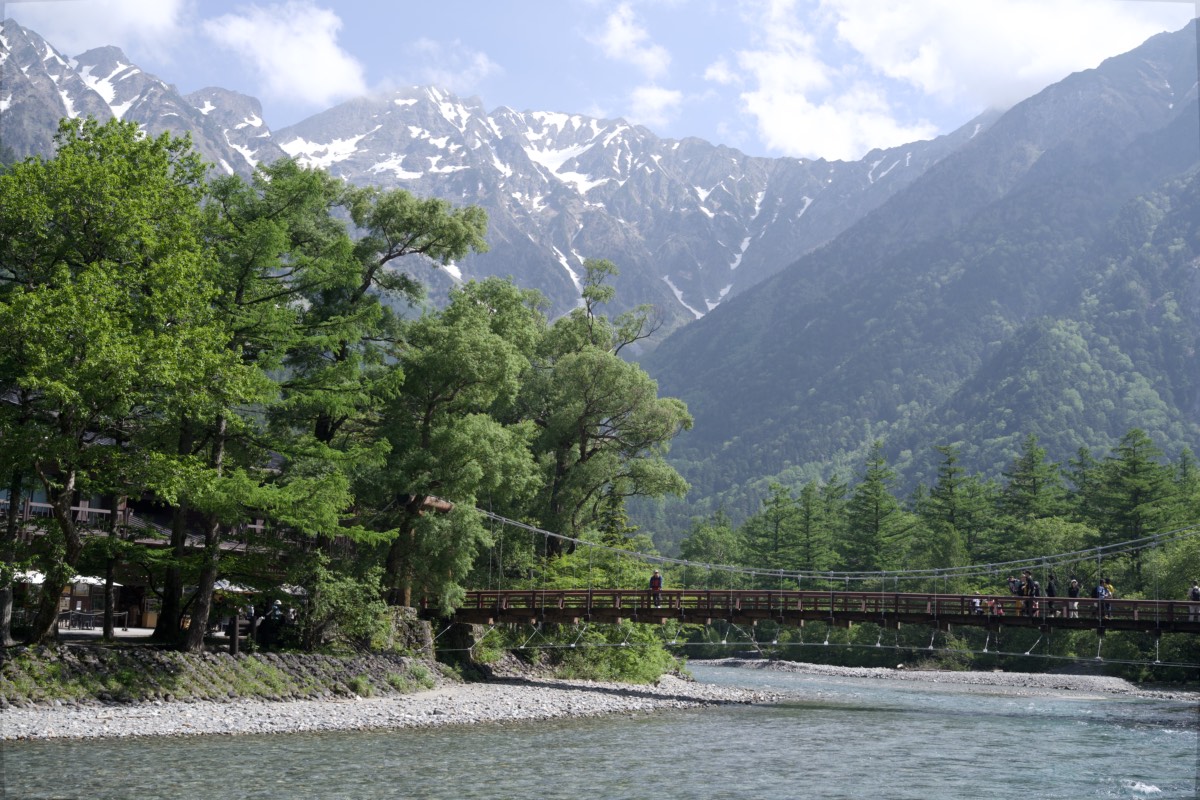
If you want a more immersive experience, you can stay inside Kamikōchi—especially around the Kappabashi Bridge area, the most famous spot in the park. Hotels here start at around JPY 45,000 per night, and they cater mostly to hikers and travelers looking for a quiet, nature‑focused stay. I stayed one night at Kamikōchi Alpen Hotel, which cost JPY 18,000 per night at the time. The price included both dinner and breakfast, and the meals were surprisingly impressive—definitely worth it for the experience. The hotel also has a hot‑spring style bath with good amenities, so you know you’re getting a comfortable stay even at the lower end of Kamikōchi’s price range.
🏔️ Other Options Around the Area
If you want something more luxurious but not inside Kamikōchi itself, you can also find high‑end hotels in Hakuba or Shinano‑Ōmachi. These areas have a wide range of accommodations, and you can easily check availability and prices online depending on your travel dates.
Next, I’ll talk about the Kamikōchi trekking routes and the things you should look out for during your visit. That section is coming up soon.