Monk Japan Journal / Travel
A Winter Train Journey to Aizu: From Nikko Shrines to Snowy Villages

If you're looking for a winter trip from Tokyo that combines history, nature, and scenic train rides, Aizu in Fukushima is one of the most underrated destinations you can visit. Located just about two hours from central Tokyo, this area offers a completely different atmosphere—especially in winter, when everything is covered in snow and feels almost like a different country.
This trip didn't go as planned, but that's what made it memorable.
Missing the Luxury Train… and Starting the Journey Anyway
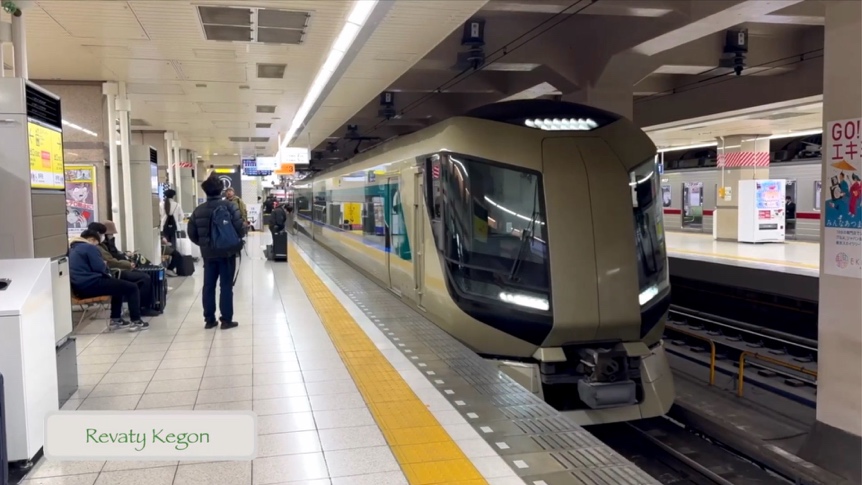
I started my trip at the station, watching my train arrive. But here's the thing—I wasn't even supposed to be on this train.
Originally, I had booked a seat on the limited express Spacia X, a much newer and more luxurious train. Unfortunately, I overslept and completely missed it. So instead, I had to quickly book another train, and the only seat available ended up costing me JPY 2,500. Not exactly cheap, but at that point, I didn't have much of a choice.
The train itself was clearly older compared to the newer limited express models. You could tell just from the design and interior. But honestly, it wasn't a big deal. It was still comfortable, warm, and had all the essentials—clean restrooms, Wi-Fi, and enough space to relax. You can also eat and drink freely on board, which is always a plus for longer journeys.
One thing to note is that this train is operated by a private railway company, so the JR Pass doesn't cover it. The ticket system is also split: you pay the base fare (which you can cover with an IC card), plus an additional limited express seat fee—in this case, JPY 1,650.
Another interesting part of the journey is that the train eventually splits into two sections. The front cars continue toward Aizu-Tajima, which I planned to visit the next day, while the rear cars head to Nikko, my first destination.
Exploring Nikko: Shrines, Nature, and Quiet Streets
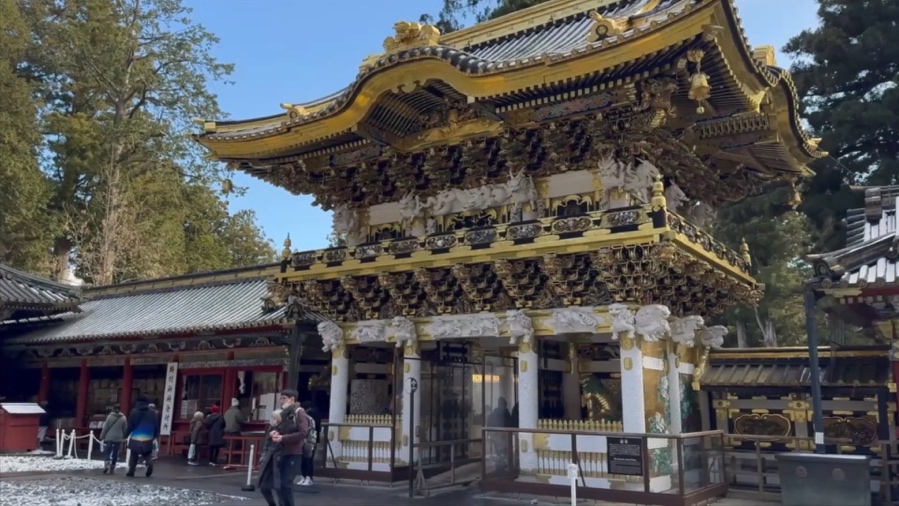
After arriving in Nikko, I made my way to the bus stop. Getting around here is pretty simple if you plan ahead. I had already purchased a bus ticket online through a service called Nikko Maas. Instead of dealing with paper tickets, you just show your phone screen to the driver when you board.
The bus fare was JPY 600, covering the route to the shrine area—slightly cheaper than a standard round-trip ticket. It's a small difference, but every bit helps.
I visited on a weekday, and the difference in crowd levels was very noticeable. There were only a handful of visitors around, making the entire area feel calm and peaceful. But during weekends or long holidays, it's a completely different story. Nikko is especially famous for New Year prayer ceremonies, when the place becomes extremely crowded.
Interestingly, even though Tokyo doesn't really have a big New Year's countdown culture with fireworks, Nikko offers a more traditional experience. So if you don't mind the crowds, visiting during that time could actually be worth it.
To enter the main shrine area, you need to pay JPY 1,600. Some sections don't allow photography, and certain areas close earlier than others, so it's good to plan your visit accordingly.
Nikko itself is actually part of a national park, and beyond the famous shrines, there's a lot more to explore. There are hiking trails, rivers, and waterfalls scattered throughout the area. While I didn't visit Kegon Waterfall this time, it's one of the most well-known spots here.
In the summer, this place transforms completely. You can go hiking and even try ayu (sweetfish), which is considered a delicacy in Japan. It's often grilled whole and served on a stick. That said, I can imagine it might not look very appealing to some Western visitors.
One important thing to keep in mind: this area is known for bear sightings. There have been actual incidents, so if you're planning to hike, it's best to stay alert and prepared.
A Quiet Lunch at a Famous Restaurant
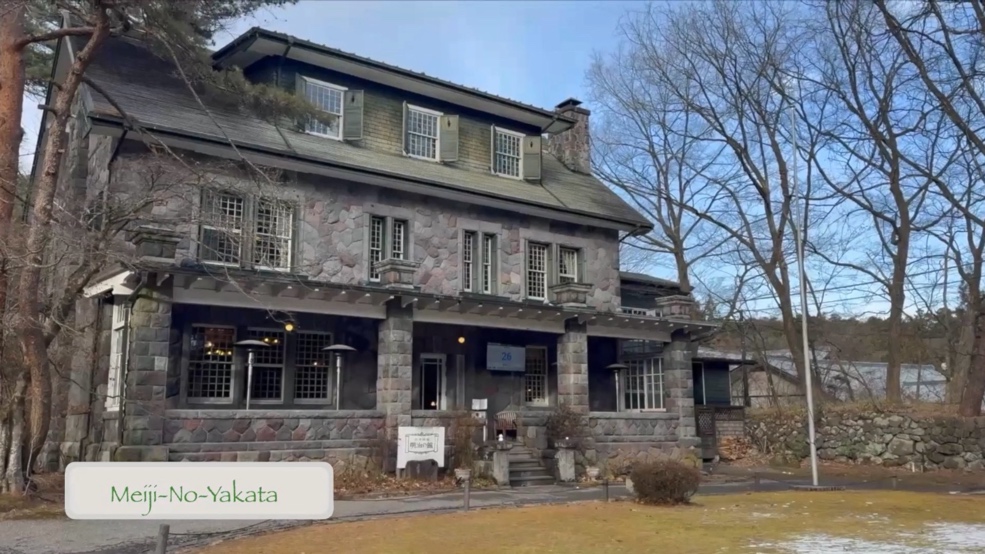
After exploring the shrines, I decided to stop by a restaurant called Meiji no Yakata, which is just a short 3-minute walk away. I had seen it featured on a TV show before, where they recommended their stew as a must-try dish.
But when I looked at the menu, the price was higher than I expected. So instead, I went for the hamburger steak, which was about half the price, along with a side of white rice—a very typical combination for me.
The food was excellent. The hamburger steak was juicy, flavorful, and well-balanced. Even though I didn't try the stew, I didn't feel like I missed out.
What surprised me the most was how quiet the restaurant was. Considering how famous it is, I expected it to be crowded. But again, I think visiting on a weekday really made a difference. It felt like I had found the perfect timing.
They're also known for their juice, so if you visit, that's something worth trying as well.
Heading to Kinugawa Onsen
After lunch, I headed back to the station and continued my journey to Kinugawa Onsen. As the name suggests, this area is famous for its hot springs, and it's lined with hotels and ryokan ranging from budget to luxury.
This is also where I saw the Spacia X train—the one I had originally booked and missed earlier. Seeing it in person made it hurt just a little more.
Still, I was excited for the next part of the trip.
Snowy Streets and a Surprisingly Good Hotel
When I arrived at Kinugawa Onsen Station, the atmosphere had completely changed. Compared to Nikko, it was much quieter—and much snowier. Even though it's only a few kilometers away, the difference was very noticeable.
Before heading to my hotel, I stopped by a 7-Eleven to grab some dinner. Simple, convenient, and always reliable.
Walking through the snowy streets was a bit challenging. The ground was slippery, and I almost fell a couple of times. If you're visiting in winter, proper shoes are definitely a must.
A Budget Stay That Exceeded Expectations
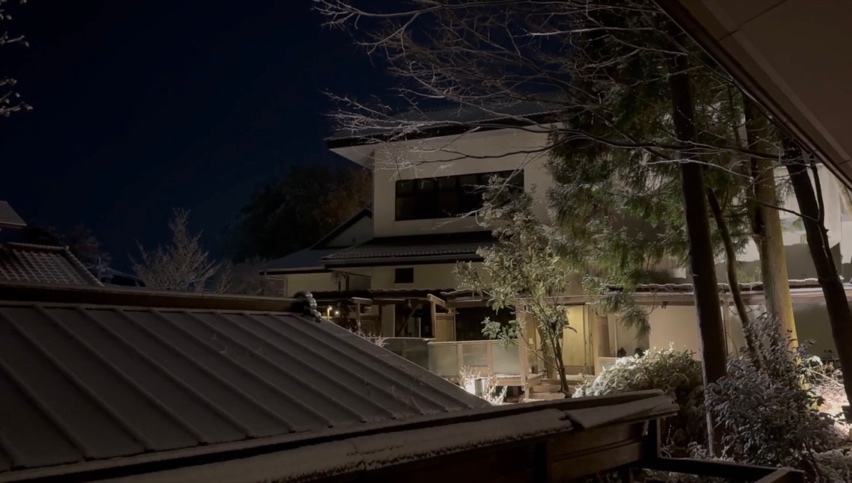
I had booked a relatively cheap hotel in the area, not expecting too much. But from the moment I arrived, it completely exceeded my expectations.
After checking in, I went straight to the hot spring bath. Interestingly, the bath was located outside the main building. It was fairly simple in design, but it did have an outdoor section. Unfortunately, since it was nighttime, I couldn't really see anything—but soaking in hot water surrounded by cold winter air is always a great experience.
The room itself was also surprisingly well-equipped. It had Wi-Fi, a private bathroom and toilet, a TV, and twin beds. Everything was clean and comfortable.
And the price? Just JPY 5,000. For what I got, it felt incredibly cheap.
Final Thoughts
This trip didn't go exactly as planned—I missed my original train, couldn't make it to every destination, and even had to change parts of my itinerary due to weather conditions.
But in a way, that made the experience even better.
From the quiet streets of Nikko to the snowy atmosphere of Kinugawa Onsen, and the scenic train rides connecting everything together, this journey felt like a perfect winter escape from Tokyo.
If you're looking for a trip that combines culture, nature, and a bit of adventure, Aizu and its surrounding areas are definitely worth considering.
Just… maybe don't miss your train.